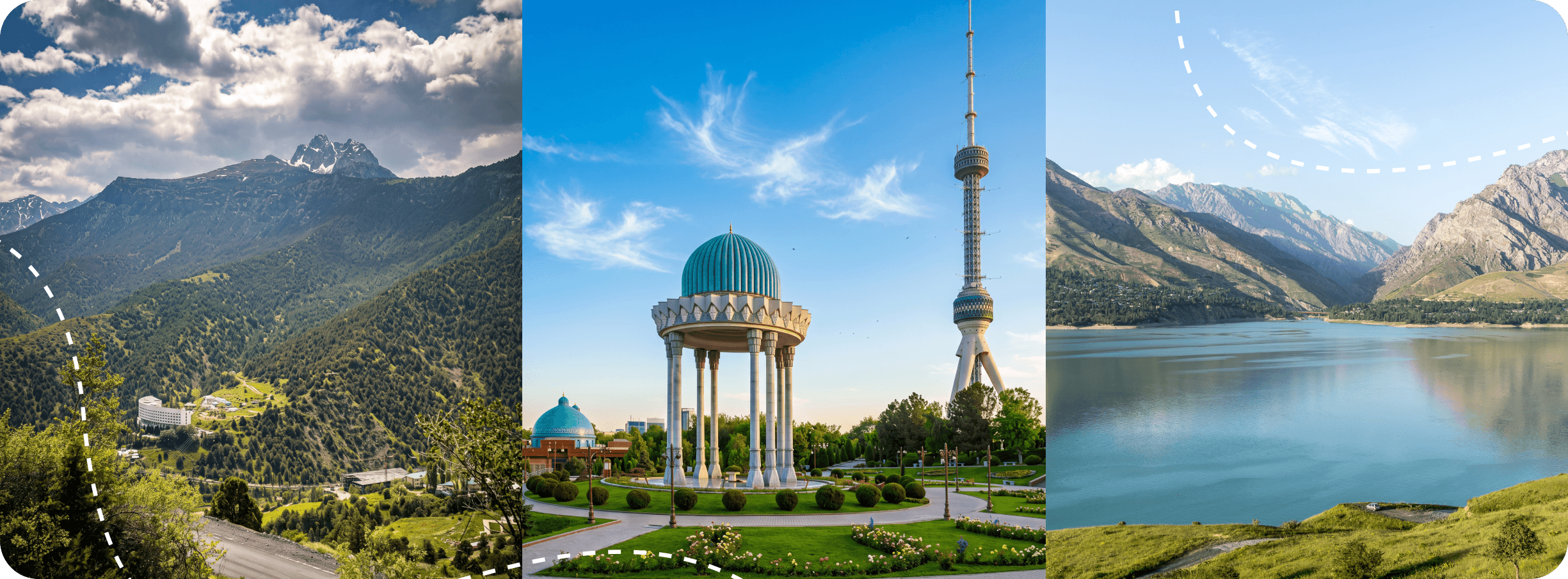
Travelling around Uzbekistan does not end with Samarkand, Bukhara and Khiva. Beyond the most famous routes, there are cities and places that reveal a different side of the country: the craft traditions of the Fergana Valley, the nature of Zaamin, the vastness of Karakalpakstan and weekend escapes by Charvak.
In the second part, we look at places that are not always included in travel plans yet, but can be just as impressive as Uzbekistan’s best-known sights.
Nukus
If you ask someone to name the most beautiful cities in Uzbekistan, Nukus will rarely be among the first five. And that is unfair.People do not come here for postcard views or ancient madrasahs. Nukus shows a completely different side of Uzbekistan: calm, a little austere and incredibly interesting.This is where journeys to the Ustyurt Plateau, the former Aral Sea and one of the most unusual museums in the world often begin.
Even if you have never been interested in art, the Savitsky Museum can surprise you. It is often called the “Louvre in the desert” or the “second Hermitage of Russian avant-garde art”.The museum holds one of the world’s largest collections of works by Russian avant-garde artists, preserved thanks to the art historian Igor Savitsky. Many of these paintings were banned for many years during the Soviet period. Today, visitors from around the world come to Nukus to see them.
What to see
The State Museum of Arts named after Igor Savitsky.
This is the place many travellers come to Nukus for. Even if you usually avoid museums, this one is worth giving a chance.

Mizdakhan Necropolis.
Mizdakhan is an ancient historical complex surrounded by legends. Mausoleums, fortresses and the ruins of settlements that are hundreds of years old have been preserved here. According to legend, the grave of Adam, the first human being, is located in Mizdakhan. The prophet Shis, or Seth, is also said to be buried nearby. Because of this, the place was considered sacred, and in popular belief the necropolis was seen as one of the “centres of the world”.
Mizdakhan is also linked to a prophecy about the end of the world. According to local stories, there is an ancient structure on the site connected with the counting of time, and when the last “mark” disappears, the end of the world will come. This is closer to folk mythology than historical fact, but the story is very popular among local guides and travellers.

The Aral Sea.
Yes, reaching it now requires a long journey. But Nukus is often the starting point for expeditions to the famous ship cemetery in Muynak. It is one of the most unusual places not only in Uzbekistan, but in the whole of Central Asia.

What to try
Karakalpak cuisine is noticeably different from the Uzbek cuisine many travellers are used to. Try local fish, lamb dishes and traditional baked goods. If you are invited as a guest, always accept tea. Here, tea is not just a drink, but part of local hospitality.

If you like unusual festivals
Another reason to include Nukus in your route is the Stihia festival. Every year, near Muynak, on the former shore of the Aral Sea, one of Central Asia’s most unusual festivals takes place. Imagine electronic music, art installations, lectures by scientists and thousands of people from around the world — in the middle of the desert, next to the ship cemetery where vessels once sailed across the Aral Sea. This is exactly how Stihia was conceived: not just as a music festival, but as a way to draw attention to the region and show that even in a place marked by environmental disaster, new cultural life can emerge.
If you are planning to travel around Karakalpakstan in late spring or early summer, check the festival dates in advance. Your trip may coincide with one of the most atmospheric events in the country.

Zaamin
When people talk about beautiful places in Uzbekistan, ancient cities usually come to mind first. But if you want to swap city noise for mountain air and juniper forests for a few days, Zaamin is worth the trip. This small town and its surroundings have long been considered one of the best places in the country for a nature break. People come here for summer coolness, walking routes, panoramic views and the chance to spend a few days away from the city rush.
Zaamin’s main treasure is its nature. The region is often called the “Uzbek Switzerland” for its mountain landscapes, juniper forests and clean air. It is pleasant to visit at any time of year: in spring, the slopes are covered with greenery and flowers; in summer, it is much cooler than in most parts of the country; and in autumn, the mountains turn golden.
What to see
Zaamin National Nature Park. Zaamin National Nature Park is one of the most scenic natural areas in Uzbekistan. You can go for a walk, have a picnic or simply enjoy views of the mountains and juniper forests.

Zaamin State Reserve. Zaamin State Reserve is a protected area where rare plant and animal species have been preserved. Some parts can only be visited on special routes.
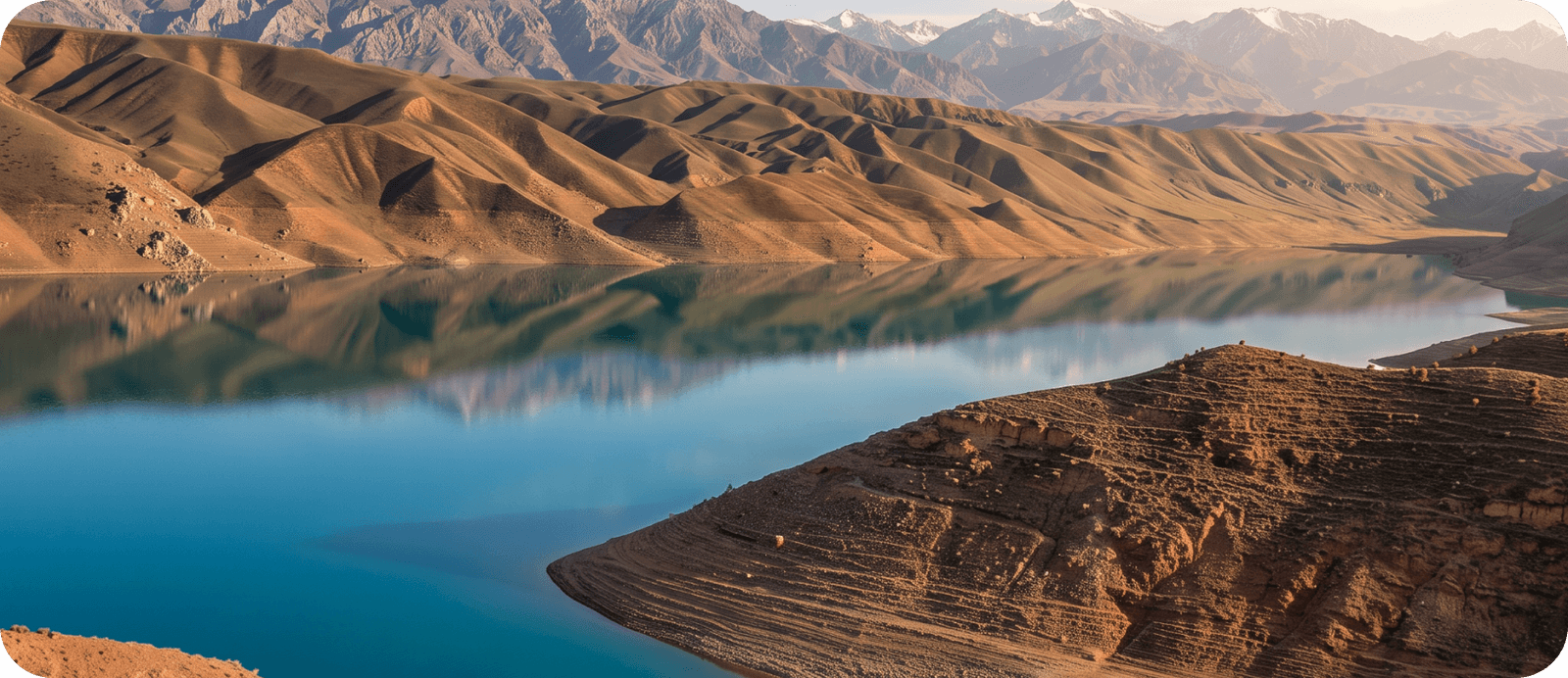
Zaamin Sky Bridge. Zaamin Sky Bridge is one of the region’s newer attractions. The suspension bridge offers impressive views of mountain gorges and valleys, and walking across it has already become a must-do for many visitors.

What to try
After a walk, it is especially pleasant to try dishes from Jizzakh cuisine. Local teahouses serve fragrant Jizzakh-style kebab, samsa, fresh bread and plov. In season, it is also worth buying mountain honey, dried fruits and fresh fruit from local residents.

Who you might meet
Zaamin is one of the few places in Uzbekistan where rich wildlife has been preserved. Zaamin State Reserve is home to the brown Tian Shan bear, wolves, lynx, wild boars, foxes and porcupines. Large birds of prey, including golden eagles, bearded vultures and griffon vultures, can often be seen in the sky.
Of course, most animals live hidden away and try to avoid people, so meeting a bear on an ordinary walk is almost impossible. But a walk along mountain trails is a great chance to see traces of wild animals, listen to birdsong and feel far away from the noise of the city.

Tashkent
Tashkent has one special feature: people rarely think of it as a travel destination. For some, it is work, connections, meetings or simply the familiar rhythm of a big city. But spend one weekend here as if you have arrived for the first time, and the capital starts to open up from a completely different side.
In the morning, you can get lost among the rows of one of the city’s oldest bazaars. During the day, you can go down into the metro, which has long become a sight in itself. In the evening, you can walk through modern districts and end the day with plov and hot tea. Tashkent is a city of contrasts, where in five minutes you can move from an old mahalla neighbourhood to a futuristic park with high-rises.
What to see
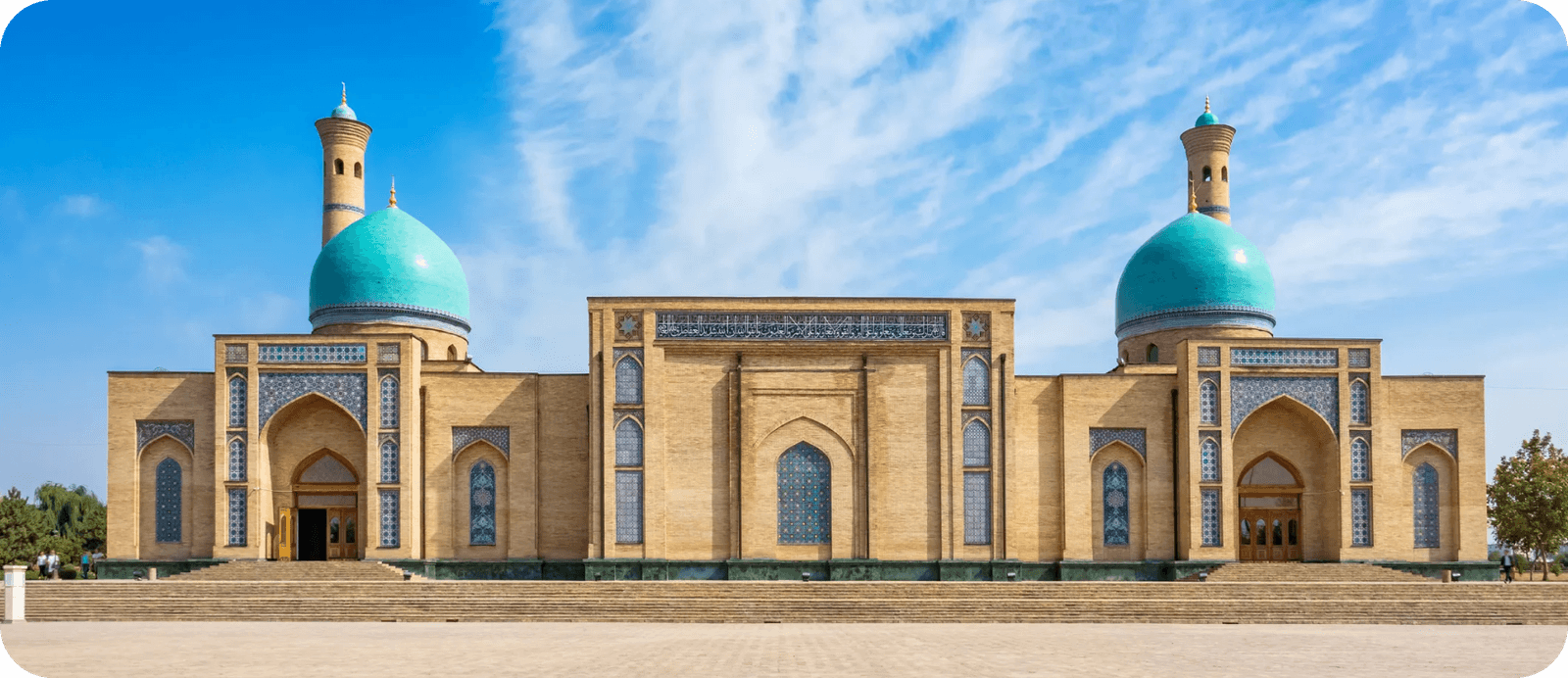
Hazrati Imam Complex. Hazrati Imam is the spiritual heart of the city. One of the oldest handwritten copies of the Quran, the Uthman Quran, is kept here.
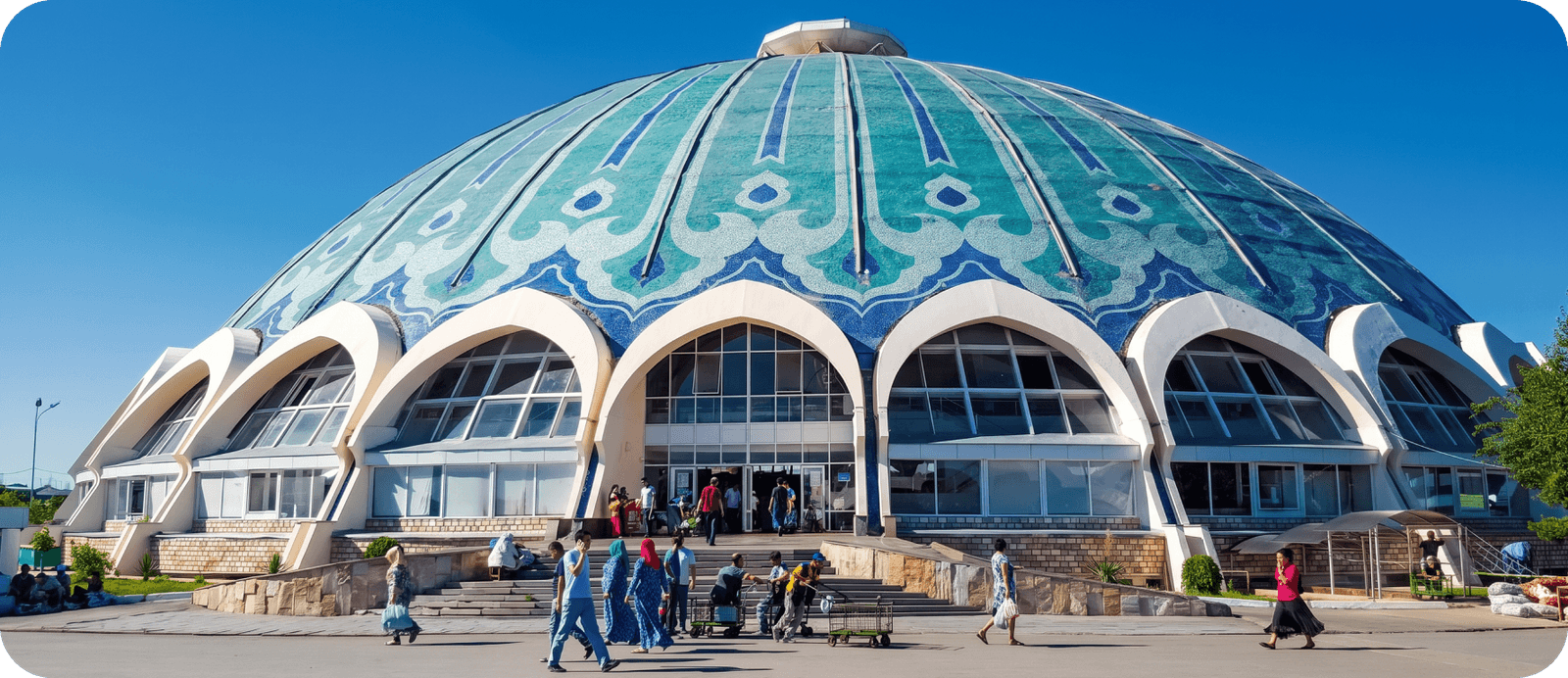
Chorsu Bazaar. Chorsu Bazaar is a place where you can feel the real rhythm of the city. People come here to buy spices, bread, dried fruits, vegetables and sweets — or simply to enjoy the atmosphere.
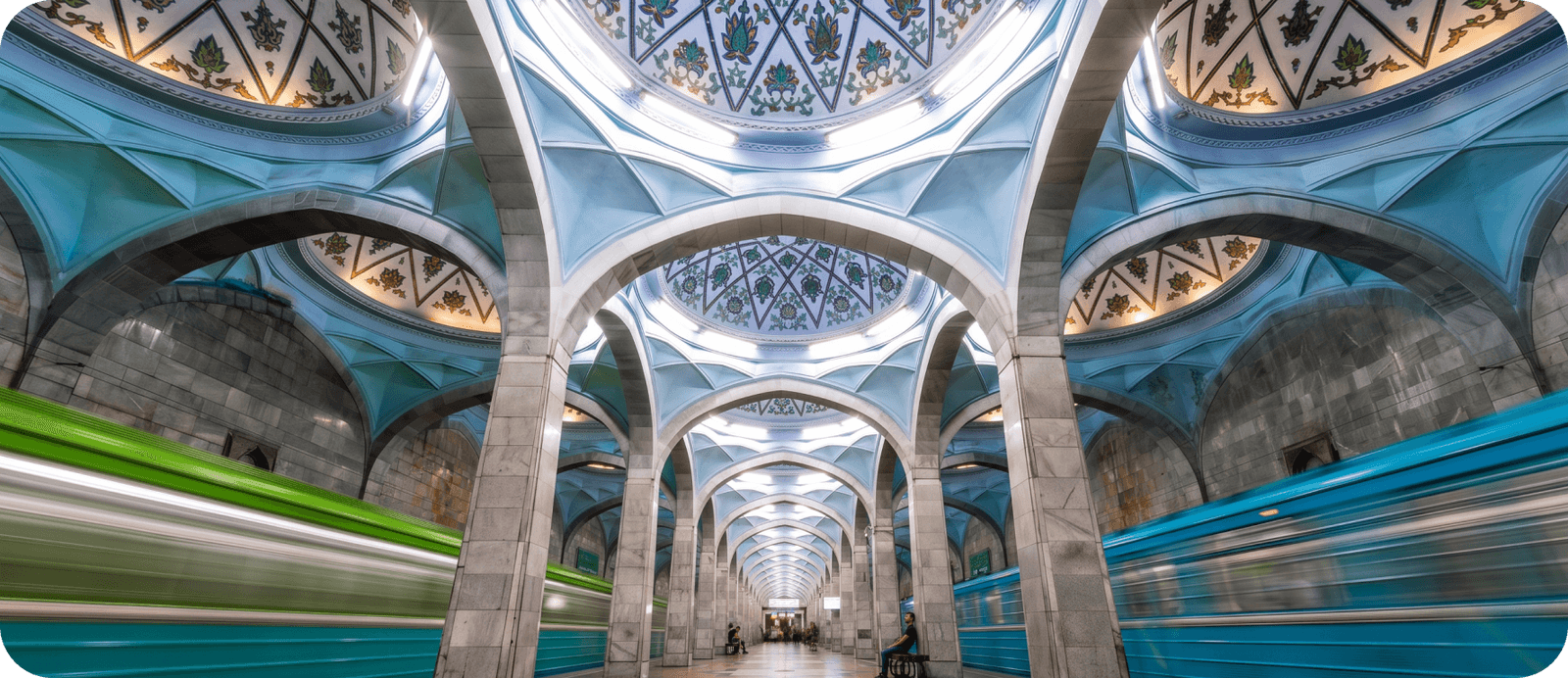
Tashkent Metro. The Tashkent Metro is a true underground museum. Each station has its own design and is dedicated to a specific theme: history, culture, space or the achievements of Uzbekistan. Until 2018, taking photos in the metro was prohibited. Today, many travellers come specifically to see it with their own eyes and take beautiful pictures.
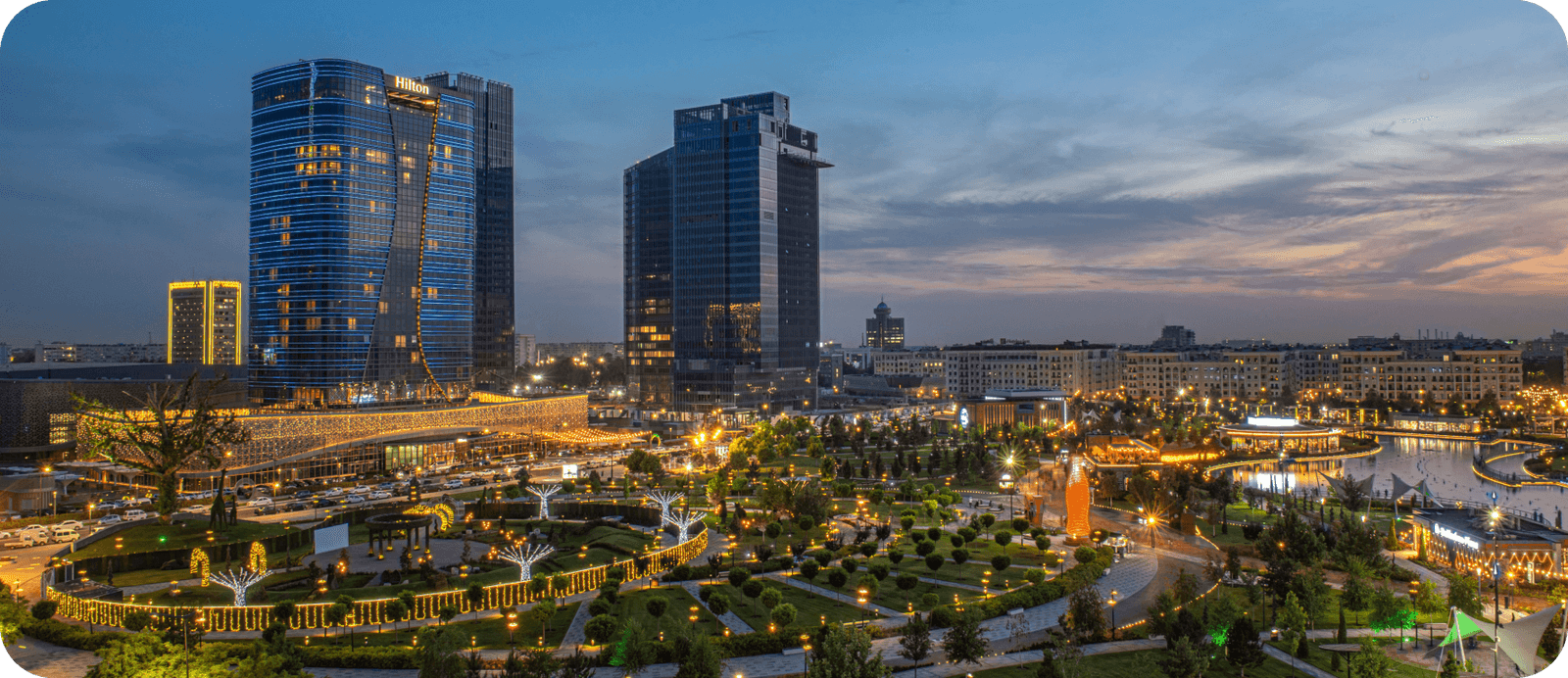
Tashkent City. Tashkent City is a modern district with a park, fountains, restaurants and evening walks. It is a good example of how quickly the capital is changing.
What to try
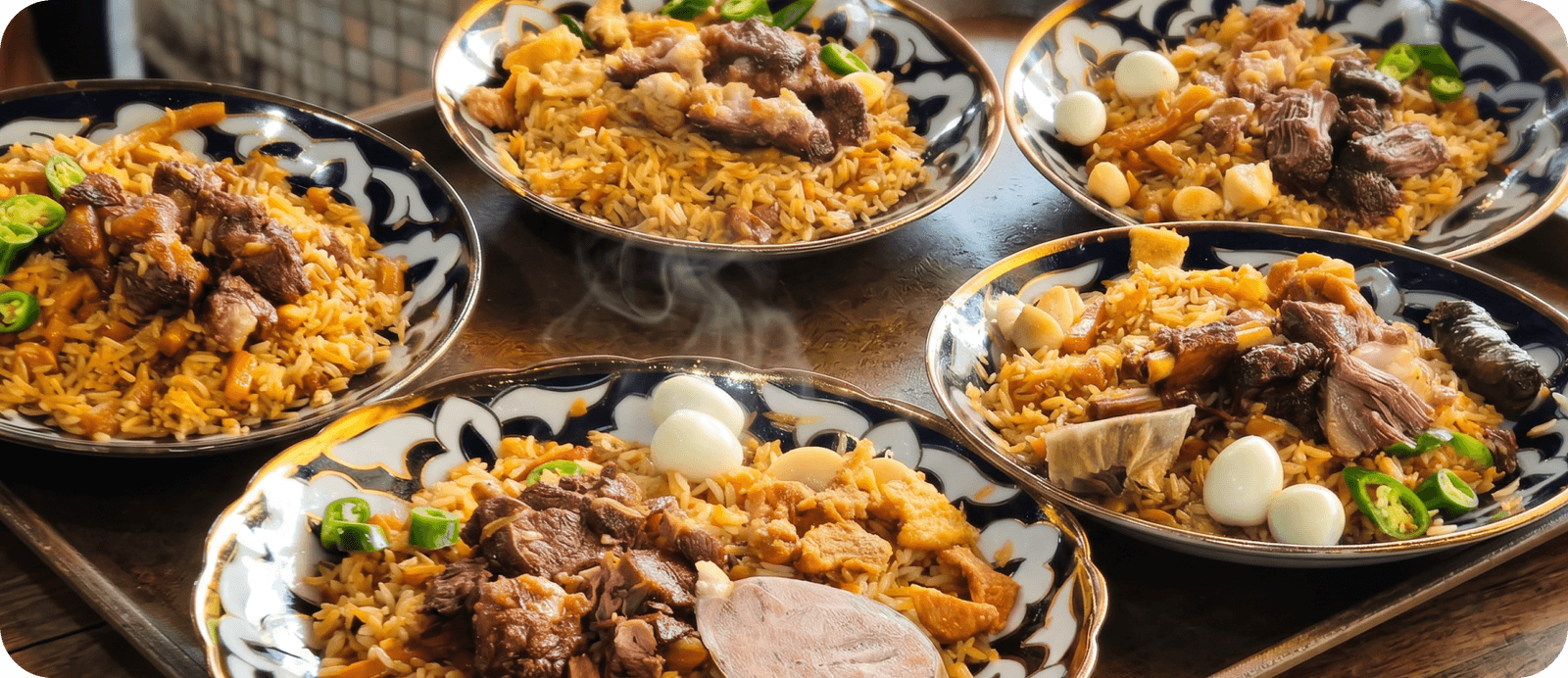
If you think you already know the taste of Uzbek plov, try comparing it across different regions of the country. The Tashkent version is noticeably different from Fergana or Bukhara plov. Also do not miss samsa baked in a tandyr and fresh bread, which people here buy almost every day.
Charvak and Amirsoy: for a weekend escape from the city
Not every trip needs to last a week. Sometimes one free day is enough to completely change your surroundings. That is why people in Tashkent love Charvak and Amirsoy so much. You can get there in about an hour and a half, but it can feel as if you have arrived in a different country. In summer, people come here for cooler air, mountain walks, cable car rides and time by the water. In winter, they come for skiing and snowboarding. But the warmer months are especially good for picnics, hiking and unhurried walks along mountain trails.
What to do
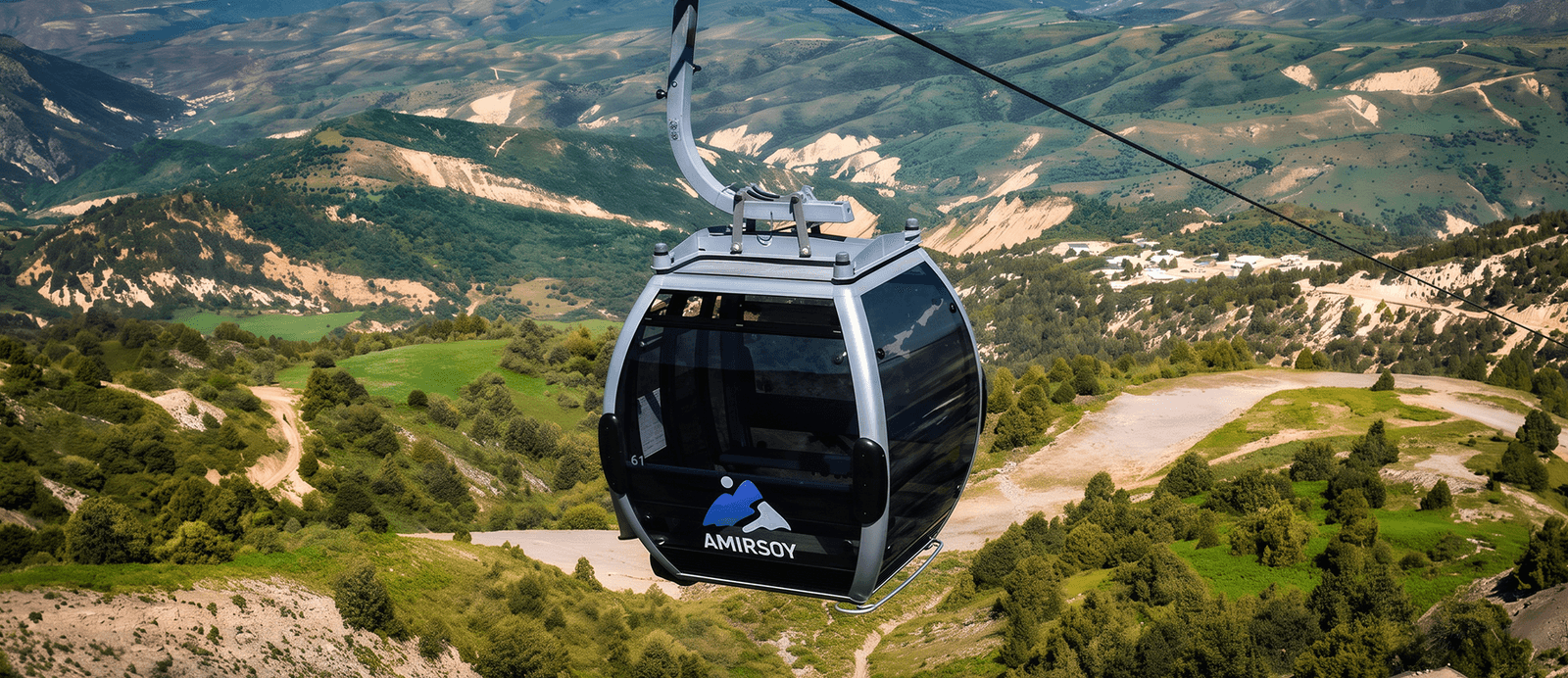
Take the cable car in Amirsoy. Even if you are not planning a long walk, the views of the Chatkal Range are worth the trip.
Spend a day at Charvak Reservoir. Take a boat ride, swim or simply have a picnic with mountain views.

Go to Chimgan. Chimgan is one of the country’s best-known mountain resorts. You can go for a short hike or simply enjoy the cool air away from the city rush.

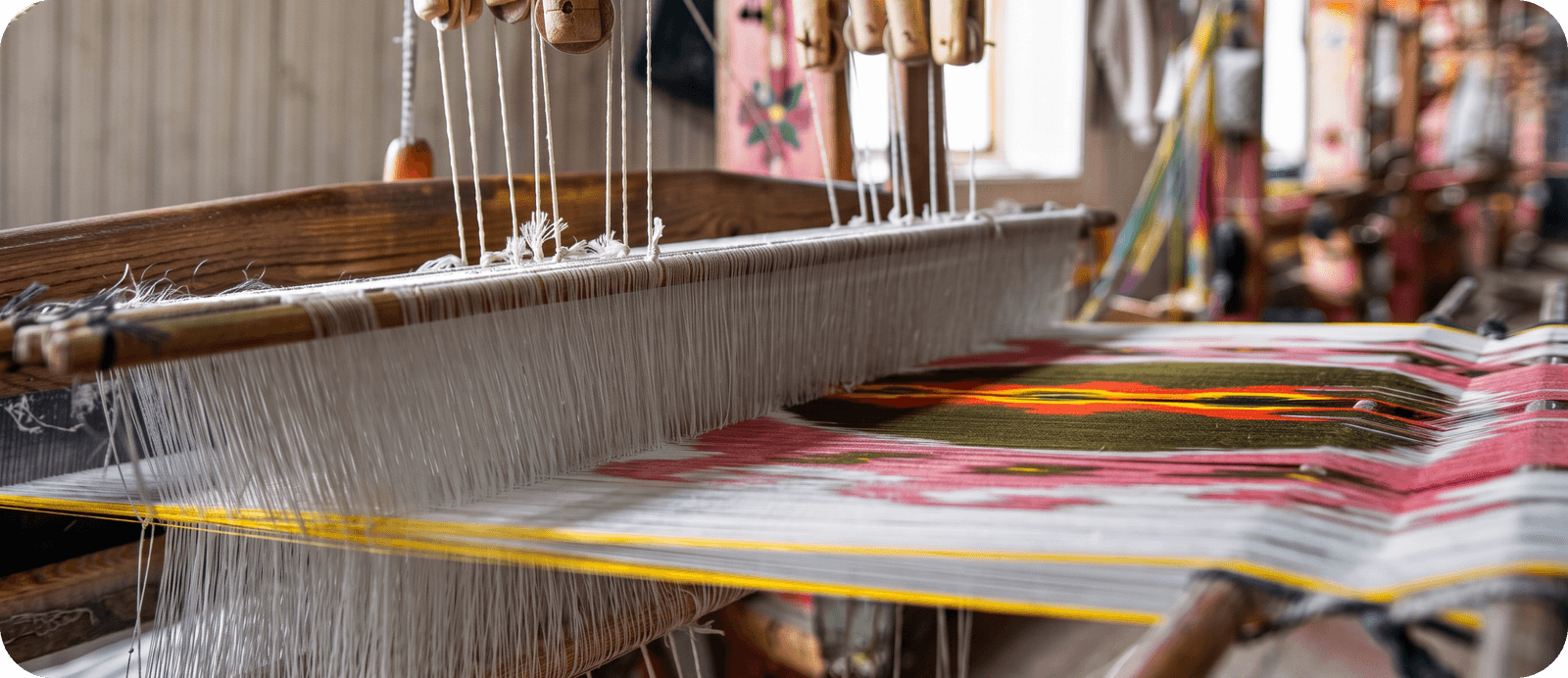
In summer, the temperature in the mountains is often several degrees lower than in Tashkent. Many people come here not only for the beautiful views, but also to take a break from the heat. If Tashkent shows how Uzbekistan is changing today, the next stop — the Fergana Valley — helps you feel what the country was like hundreds of years ago. Here, silk is still woven by hand, the famous Rishtan ceramics are still painted, and craft traditions that have made the entire region known are carefully preserved.
Fergana Valley
People often talk about the Fergana Valley as one destination. In reality, it is several cities at once, each with its own character.
Margilan: the capital of Uzbek silk. Margilan is one of the ancient cities of the Great Silk Road. The main place to visit is the Yodgorlik factory. Natural silk is still produced here using traditional techniques, from silkworm cocoons to bright khan-atlas and adras fabrics. Even if you are not planning to buy anything, watching the process is fascinating.
Rishtan: the city of famous blue ceramics. If you have ever seen deep turquoise Uzbek plates, they were probably made here. Local artisans use a special glaze whose recipe has been passed down from generation to generation. In many workshops, you can not only watch ceramicists at work, but also try painting your own piece.

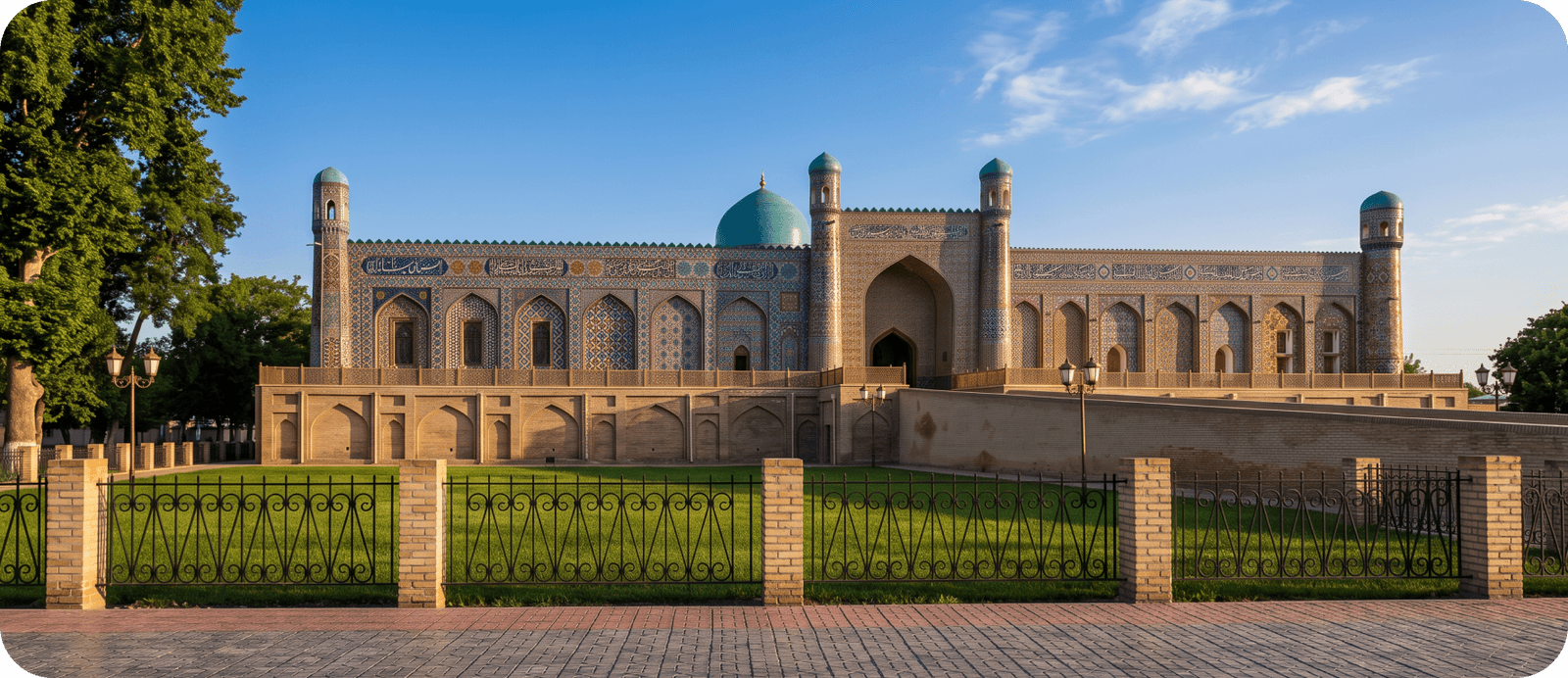
Kokand: the former capital of the khanate. One of the largest states in the region was once ruled from here. Today, the city’s main attraction is the Khudayar Khan Palace. Its façade is decorated with thousands of colourful ceramic tiles, while its inner courtyards look like Eastern palaces from books.
What to try
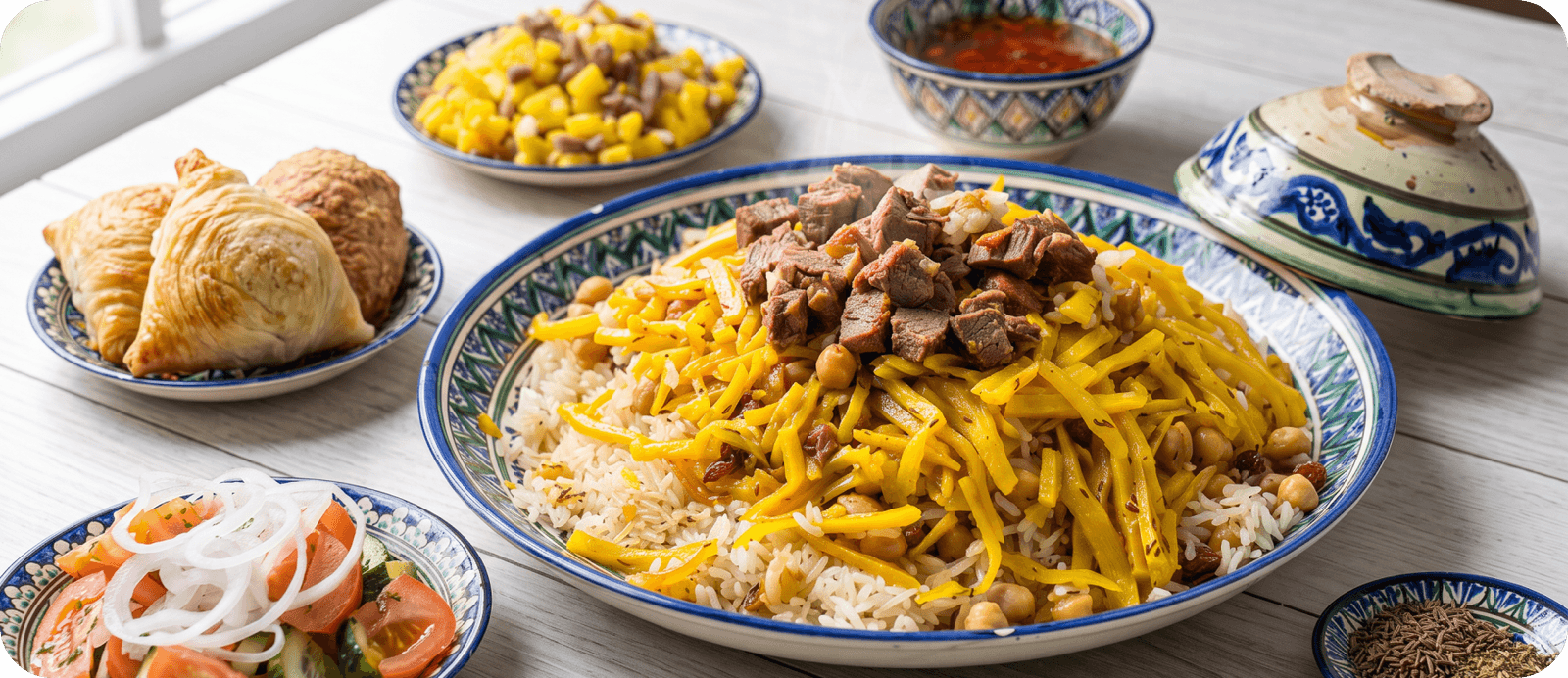
The Fergana Valley is the birthplace of one of the most famous types of Uzbek plov. It is made with yellow carrots, plenty of rice and a special way of frying the meat. Many people consider Fergana plov the classic version of this dish.
This is the main advantage of travelling around Uzbekistan: in one trip, you can see ancient cities, desert, mountains, lakes and modern megacities. And you do not need to buy a ticket abroad to do it.
Contact details
Phone: +998 78 113 6172; +998 91 778 6040.
Email: sales@ioka.uz
Telegram: @iokauz_customer_service