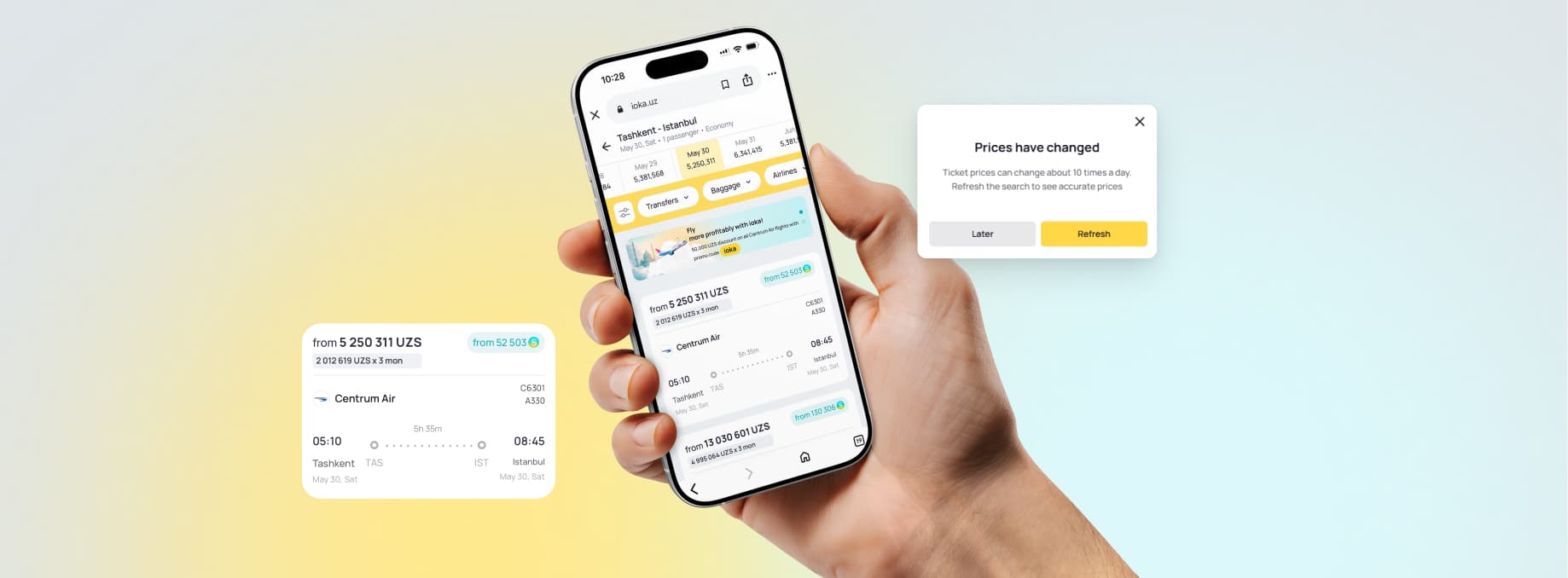
A ticket price on its own doesn’t always tell the full story. One option may be cheaper but exclude baggage. Another may cost more while offering a better departure time, route, layover, or more flexible change conditions.
That’s why, before payment, it’s important to look beyond the main price and consider the full context around it: travel dates, fare type, seat availability, airline rules, and the overall travel format.
In this article, we explain how to read ticket prices on the ioka travel website, in the mobile app, and in ioka travel posts — so you can clearly understand what exactly is included in the displayed price.
ioka.uz website
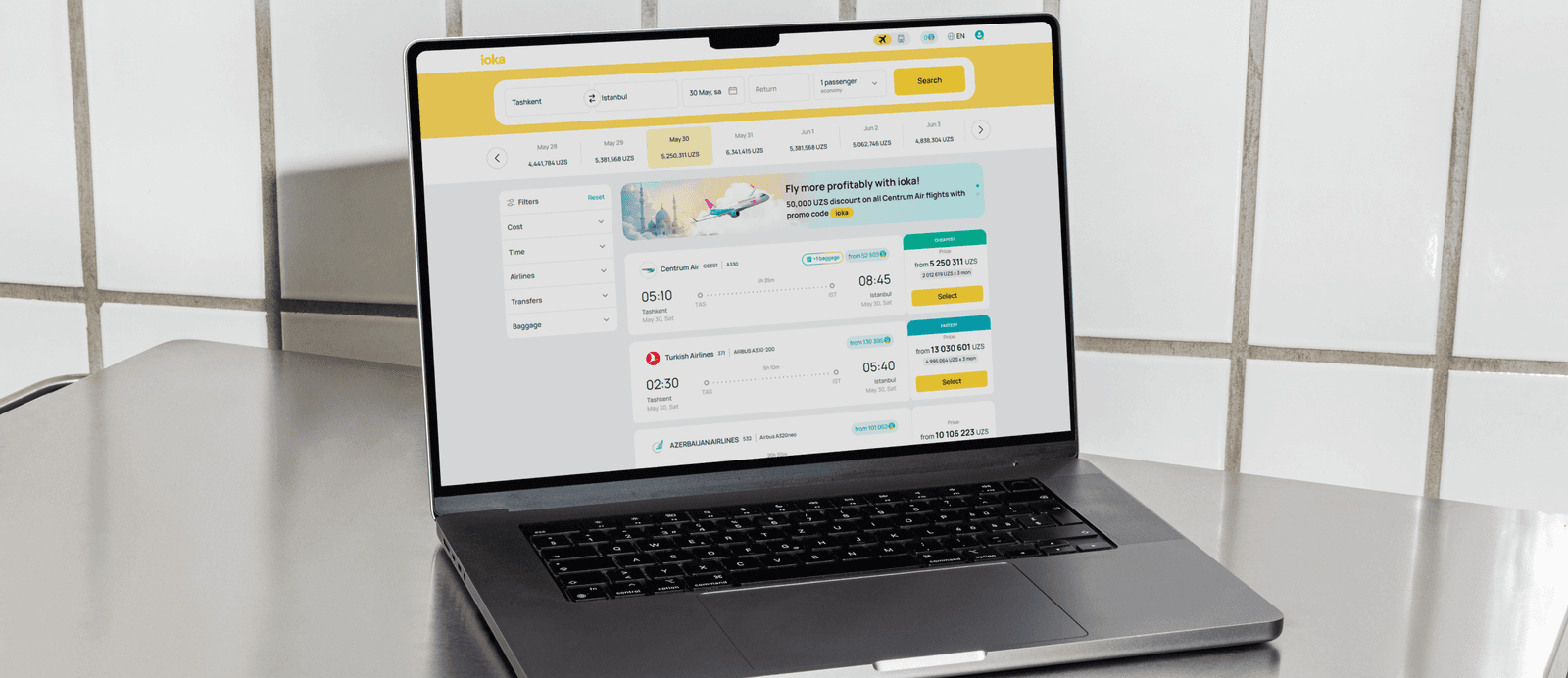
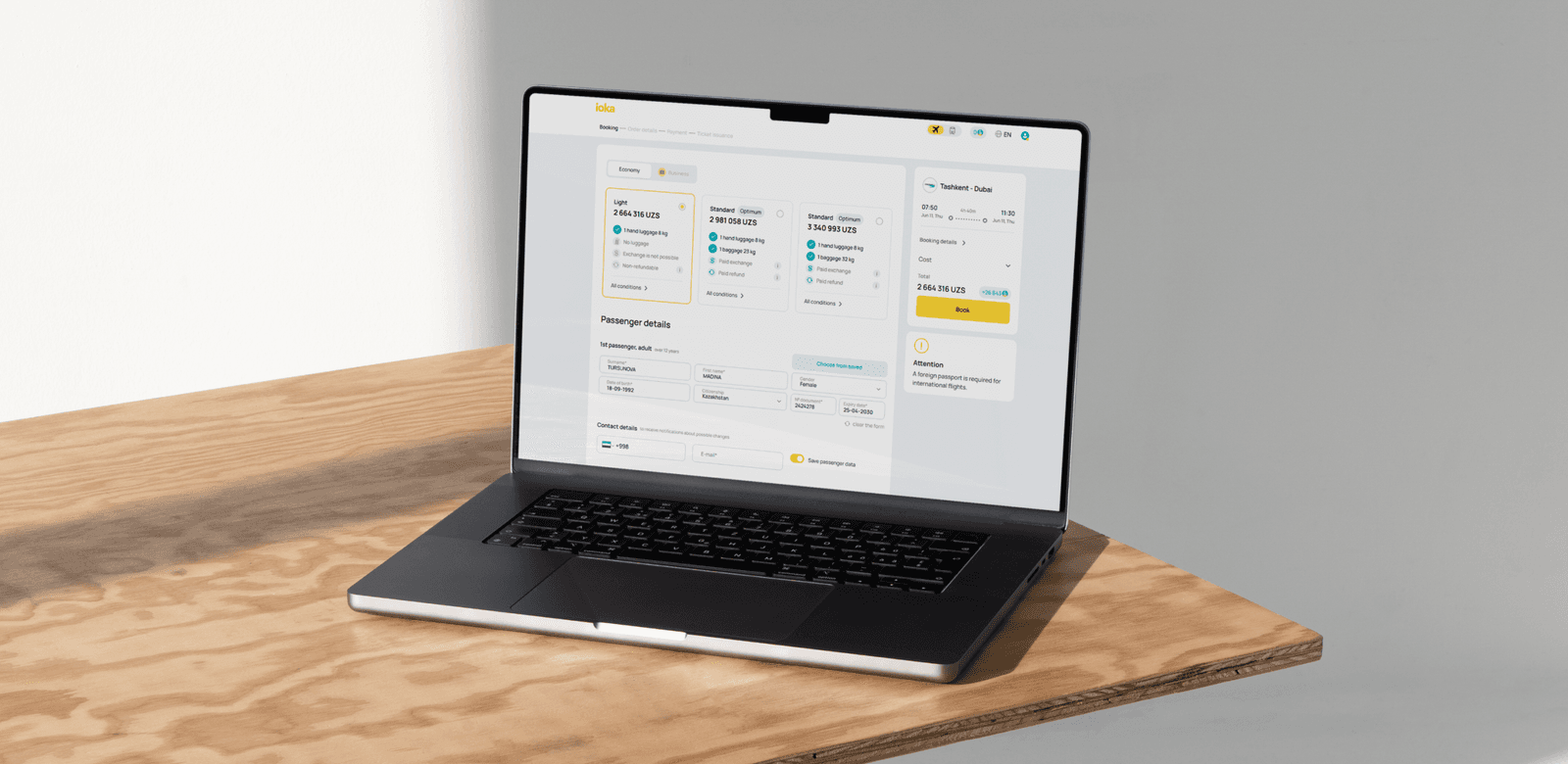
On the ioka.uz website, ticket prices are shown based on your specific search: route, travel dates, number of passengers, and the options available at the time of booking. The system then displays available flights or trains, departure times, fare conditions, and prices relevant to your selected parameters.
If you arrived on the website through a social media post, we recommend entering your own route and travel dates again. This allows you to see not only the example shown in the post, but also other available options. In some cases, a nearby date may offer a lower fare, a more convenient schedule, different baggage conditions, or a fare better suited to your trip.
Before payment, make sure to review the final booking page carefully: route, travel dates, departure time, passenger details, total price, and selected fare.
If the ticket includes restrictions related to refunds, exchanges, baggage, or additional services, it’s best to review them before completing the purchase.
A social media post can help provide a general price reference, while the website allows you to check the actual cost of your specific trip based on your chosen dates and fare conditions.
ioka travel mobile app
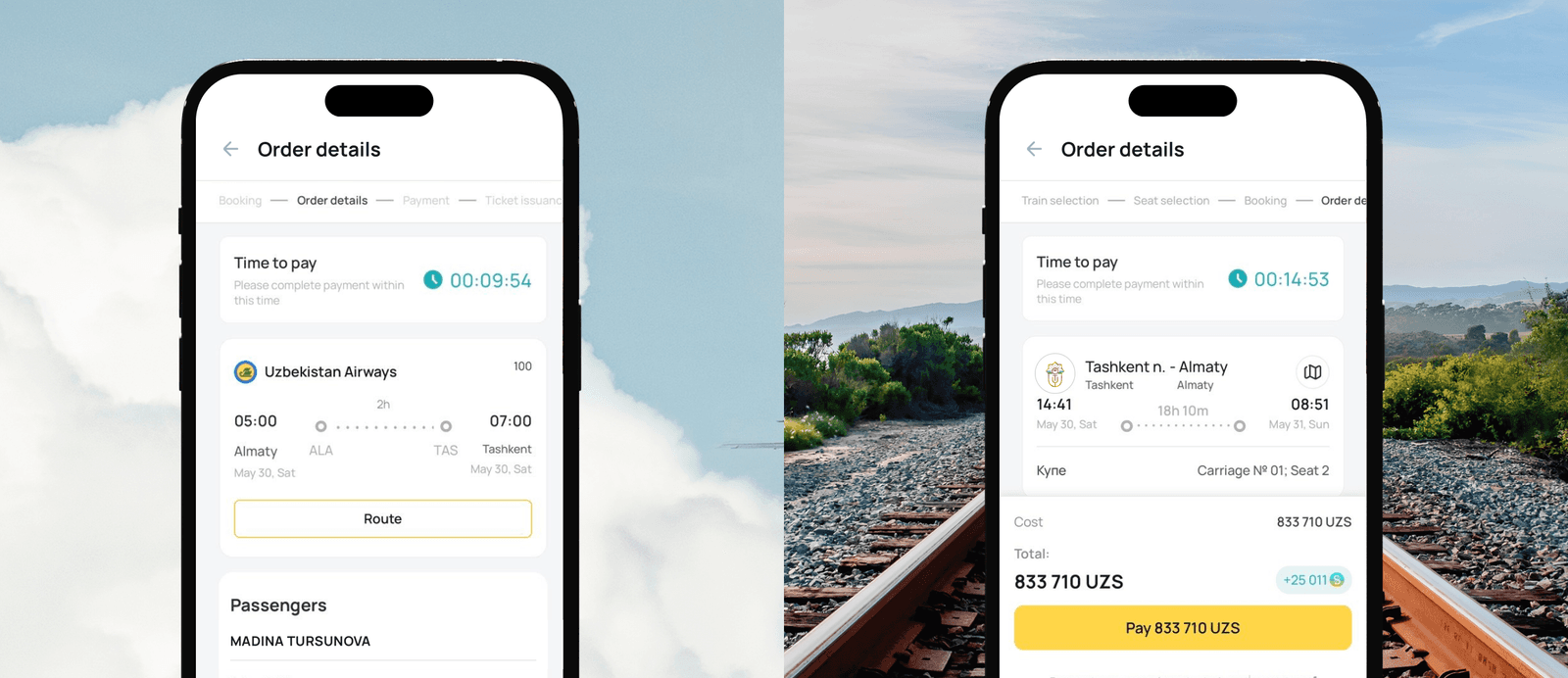
The logic in the ioka travel mobile app works in a similar way: first, you select your route, travel dates, and passengers, and then review the available options and fare conditions. The app is especially convenient when you want to quickly check prices, compare different dates, or return to a route you viewed earlier.
At the final step, it’s important not to rush. Before payment, review not only the price, but also the fare conditions: whether baggage is included, what the refund or exchange rules are, and whether the passenger details, travel date, and departure time are correct.
It’s especially important to double-check your booking if you are traveling with baggage, booking tickets for a family, choosing an itinerary with connections, or planning the trip in advance.
If the app shows several options for the same route, try not to compare them by price alone. Also consider the departure time, travel duration, layovers, baggage allowance, and airline conditions. In some cases, a slightly more expensive ticket may be the better option for your trip — for example, if it includes the baggage you need, offers a more convenient schedule, or comes with more flexible fare conditions.

Social media posts: how to understand the fare conditions
A post on Instagram, Telegram, or another social platform usually highlights one specific example: a route, an indicative price, a travel date or period. In some cases, we also mention the airline, baggage inclusion, a promotion, or other important conditions. This format is designed to help you quickly understand whether the destination is worth exploring further.
At the same time, a social media post does not replace a full ticket search on the website or in the app. A single post cannot display every available flight, fare, seat option, layover, or airline condition. That’s why prices shown in posts should be viewed as a reference point — not as a fixed fare applicable to all users and all flights.
For example, if a post says: “Tashkent → Almaty from 1,242,939 UZS,” it’s important to check which date, flight, and fare the price refers to. If baggage is included, review the baggage conditions carefully: whether it covers carry-on baggage, checked baggage, or both. If the post refers to a promotion, pay attention to the validity period, eligible destinations, and possible restrictions.
In social media posts, we aim to use clear labels such as “one-way,” “round trip,” “with baggage,” “without baggage,” “flight ticket,” “train ticket,” and “price valid at the time of publication.” These details help clarify what type of trip and fare the displayed price applies to.

What exactly should you check in a ticket price?
Wherever you check a ticket — on the website, in the app, or through a social media post — it’s important to look beyond the final price alone. A ticket price is shaped by several factors: the type of trip, travel dates, fare conditions, baggage allowance, number of passengers, seat availability, and the airline’s rules.
These details help you understand whether the option fits your route, budget, and travel plans. Below are the main things worth checking before payment.
Flight or train ticket
On ioka travel, you can search for both flight and train tickets, so the first step is understanding which type of trip you are looking at. Flight and train tickets have different booking parameters, travel conditions, and carrier rules.
When choosing a flight ticket, the most important factors are usually baggage allowance, carry-on baggage, fare conditions, layovers, departure and arrival airports, and the airline’s requirements.
When booking a train ticket, users typically focus more on the train type, travel time, seat class, and ticket availability for the selected date.
One-way or round-trip ticket
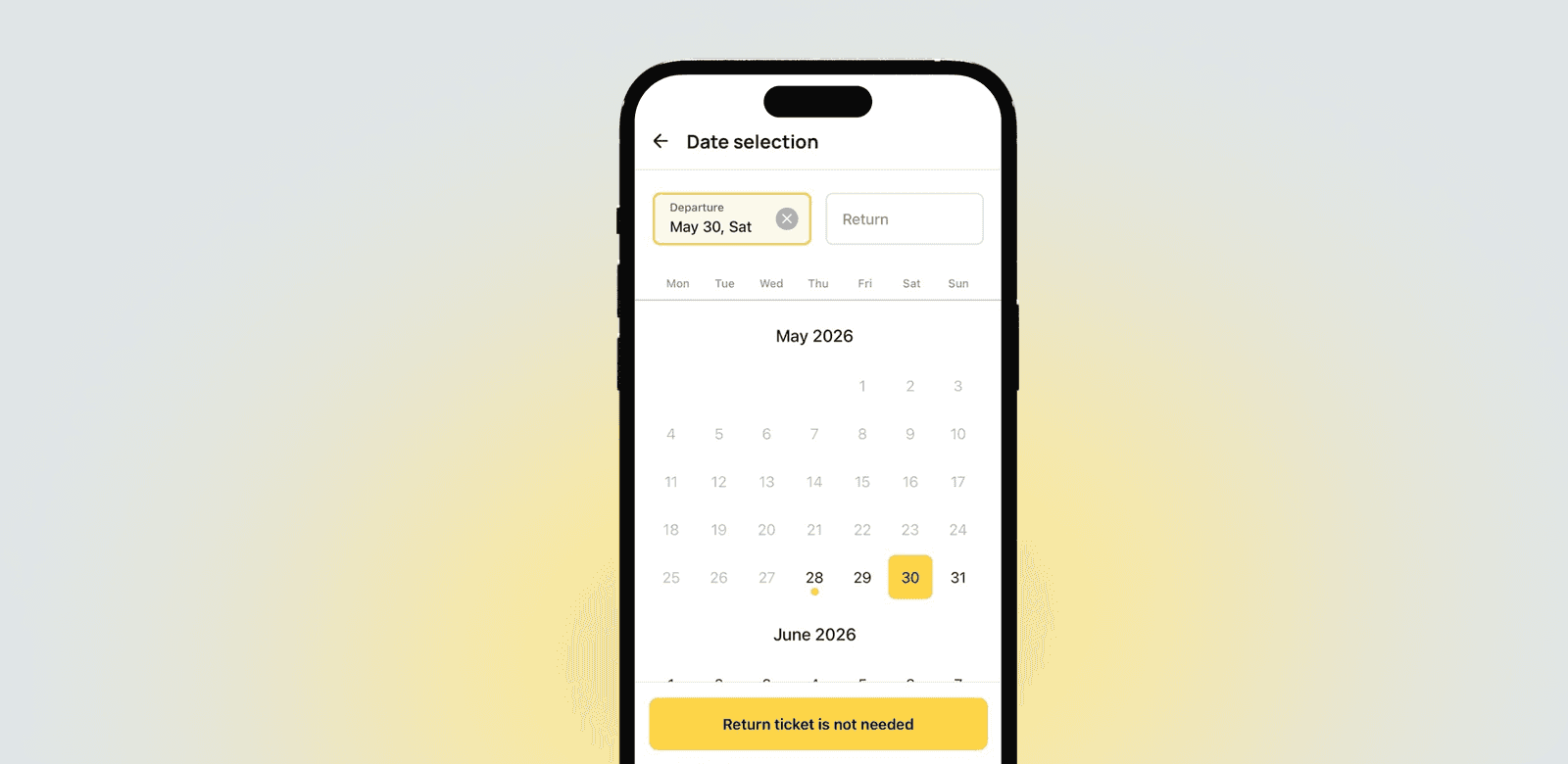
One of the most common sources of confusion is the trip format itself. A one-way ticket price and a round-trip fare are two different options. If you are planning a full trip but only see the price for one segment, the total travel budget may differ from your expectations.
In our posts, we separately indicate when a price refers to a one-way ticket. On the website and in the app, the trip format is selected during the search process: you choose whether you need a one-way ticket or a round-trip itinerary.
If you are booking a round trip, it’s best to review both segments before payment: dates, departure times, airports or stations, fare conditions, and baggage rules for each direction.
Baggage: what’s included in the flight ticket price
Baggage is one of the most important details when purchasing a flight ticket. Sometimes a user sees an attractive price, but later discovers that it only includes carry-on baggage. In other cases, checked baggage may be included, but with specific weight and size limits.
That’s why the phrase “with baggage” always requires clarification: what type of baggage is included, what weight allowance applies, and what conditions are set by the airline. Even if a card or social media post says that baggage is included, it’s still important to review the details on the website or in the app before payment.
If you are traveling light for a short trip, a fare without checked baggage may be a convenient option. If you are traveling with family, planning a longer stay, or expecting to shop during the trip, it’s better to choose a fare with baggage conditions that match your needs. This reduces the risk of unexpected extra charges at the airport.

Travel dates, seasonality, and seat availability
Ticket prices can change depending on travel dates, seasonality, demand, and seat availability. For popular routes and peak travel periods, lower fares may sell out quickly. In some cases, prices can change even within a short period of time as other users book seats under the current fare.
That’s why, in social media posts, it’s important to pay attention to the date or travel period the price refers to. If an offer is published today, it does not necessarily mean the same fare will still be available a few days later.
The most accurate price is the one displayed on the website or in the app at the moment you are completing your booking.
Fare type and airline conditions
A ticket includes not only a price, but also a fare type. The fare determines the booking conditions: whether the ticket can be refunded or changed, whether baggage is included, what restrictions apply if your plans change, and which additional services are available.
Two tickets for the same flight may differ in price precisely because of the fare conditions. A lower-priced option may come with more restrictions, while a more expensive fare may offer greater flexibility or include services that are important for your trip.
It’s especially important to review the fare conditions carefully if your plans may change — for example, if a business trip has not yet been confirmed, travel documents are still being processed, the trip depends on other travelers, or you are booking well in advance. In such cases, refund and exchange conditions may be just as important as the ticket price itself.
Promotions and special offers
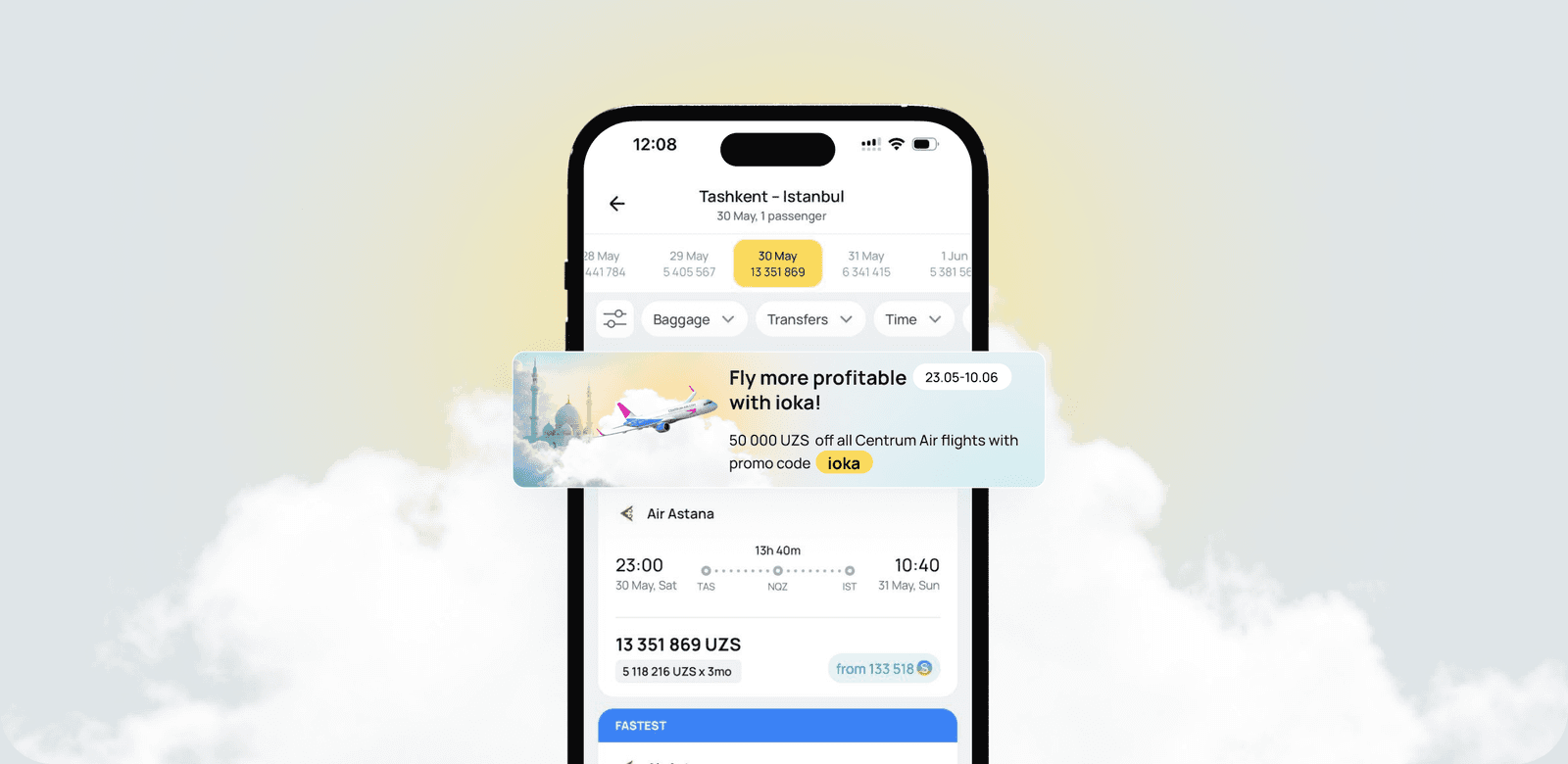
If a promotion is mentioned in a post, it’s important to review the terms separately. A promotion may include a booking period, travel period, eligible destinations, a limited number of seats, or restrictions related to specific flights or fare types.
In some cases, the special offer is applied automatically during the ticket search. In others, a promo code or a specific booking process may be required. That’s why, alongside promotional posts, we try to indicate the key details: who is running the promotion, which destinations are included, which dates matter, and where to review the final terms.
The main principle remains the same: before payment, always check the latest conditions on the website or in the app. If anything is unclear, it’s best to contact ioka travel support before completing the purchase.
Why the price in a post may differ from the price shown during search
The price shown in a post may differ from the price you see during a search for several reasons. For example, you may have selected different travel dates, a different flight, fare type, number of passengers, or trip format.
Seats available at the promotional price may also have sold out, or the offer may no longer apply to the selected option.
This does not necessarily mean there is an error. In most cases, a social media post highlights one specific example, while your search generates a different booking scenario. That’s why it’s important to compare not only the destination, but also the full set of conditions: travel dates, departure times, baggage allowance, fare type, route, number of passengers, and trip format.
If you notice a price difference and are unsure why it appears, you can contact ioka travel support. Our team will help you review the booking and understand which options and conditions are currently available for your route.

You can contact ioka travel support:
Via Telegram — @iokauz_customer_service
By email — support@ioka.uz
By phone: +998 78-113-61-72; +998 91-778-60-40.
We strive to make the ticket booking process at ioka travel clear even before payment. The more transparent the conditions are, the easier it becomes to plan your trip, compare options, and choose the ticket that truly fits your route, budget, and travel plans.