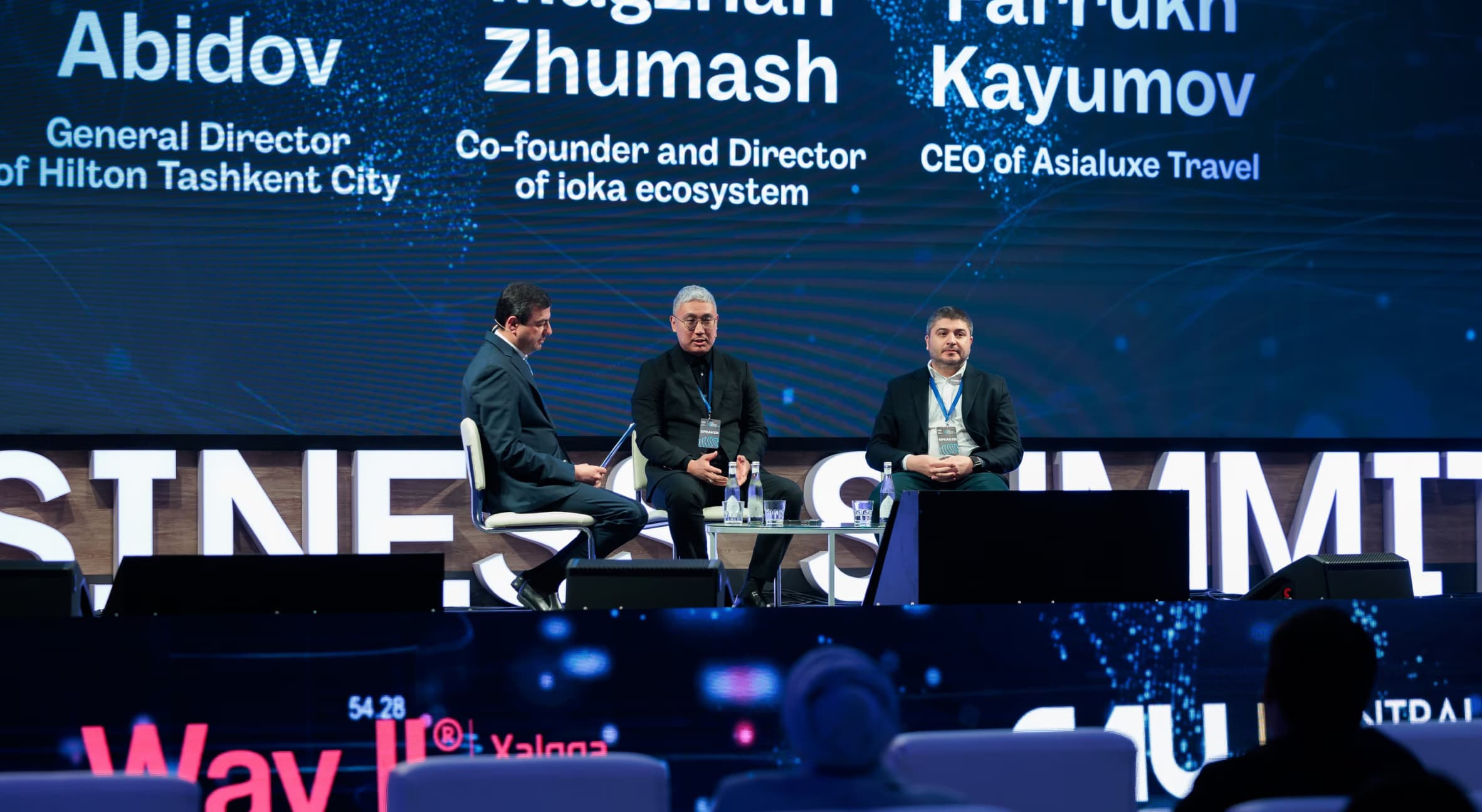
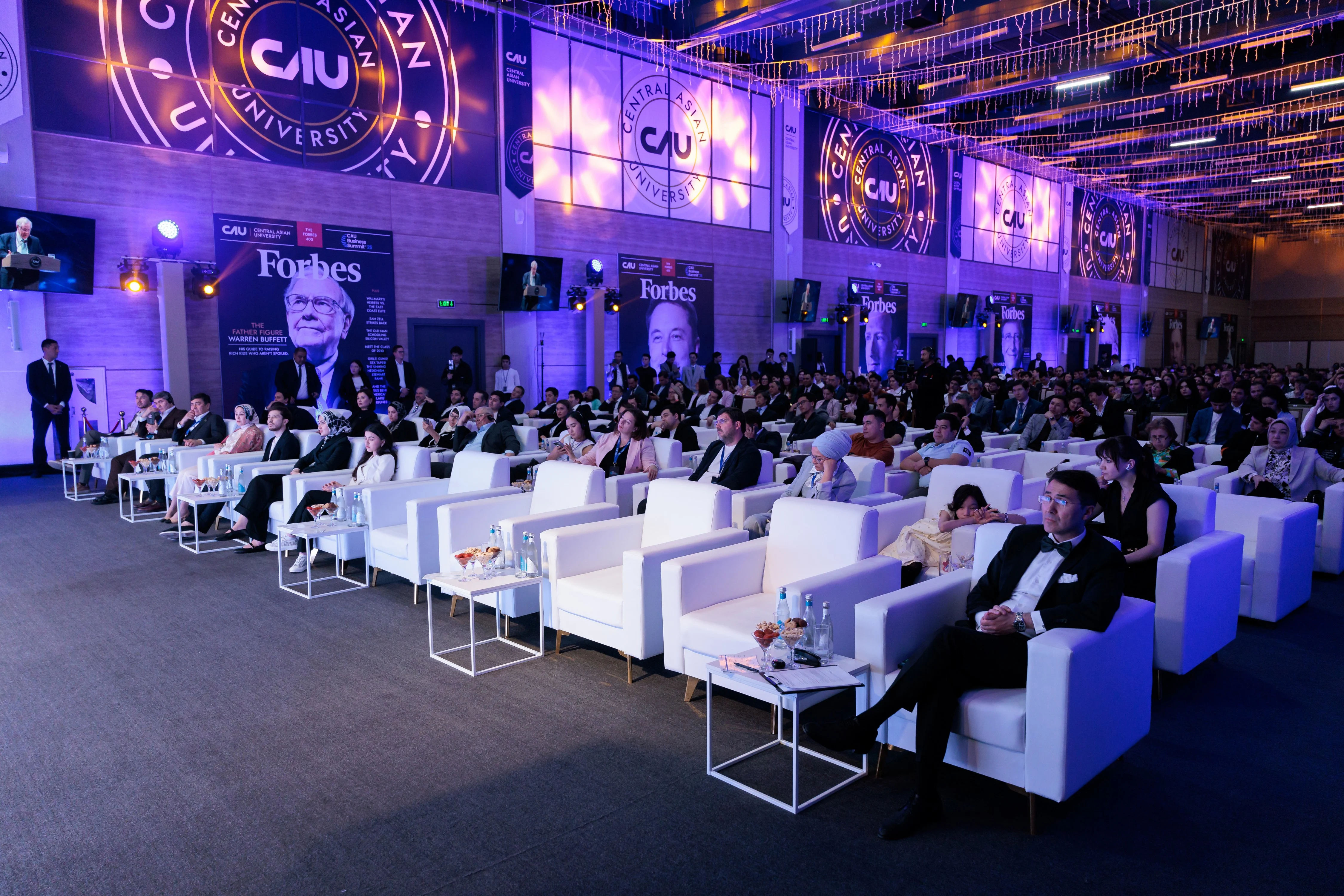
On April 19, Tashkent hosted the Central Asian University Business Summit 2025, a platform that brought together entrepreneurs, investors, and academics to explore global trends and local opportunities for growth.
The keynote speaker was Steve Forbes, Chairman of Forbes Media (USA). In his speech, he emphasized that “in a rapidly changing world, it’s not those who cling to the status quo who succeed, but those who are first to find new meanings and build trust.” Trust and adaptability became the underlying themes of the entire summit.
The program covered a wide range of topics – from investment strategies and business resilience to the role of technology in unlocking the region’s tourism potential. The summit served as a key venue for sharing ideas, inspiring case studies, and building partnerships between established business leaders and the next generation of entrepreneurs.
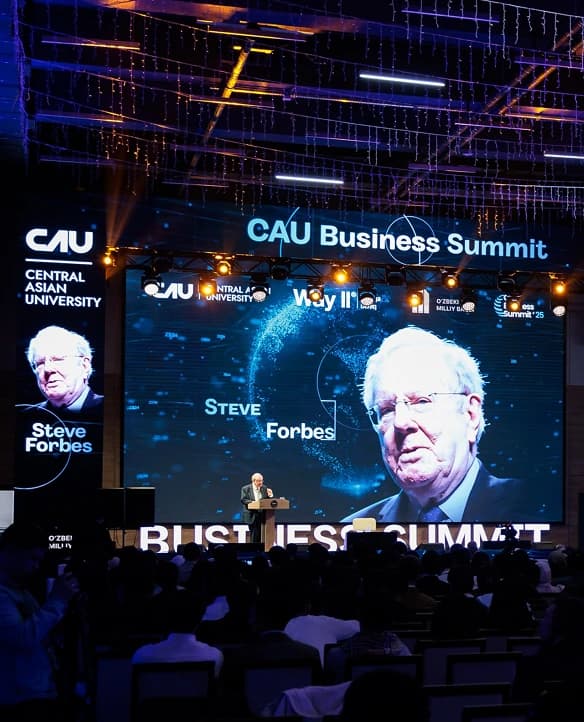
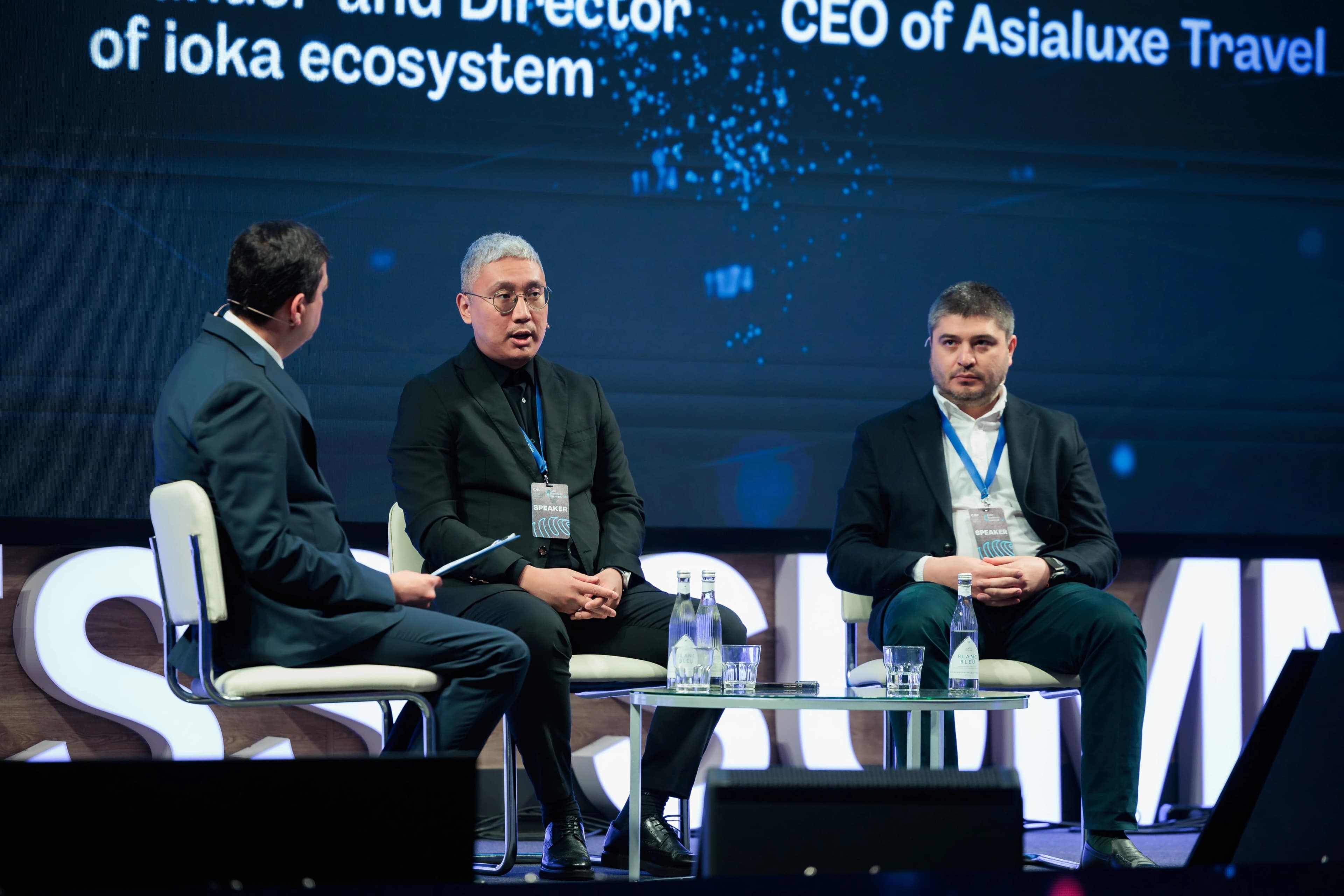
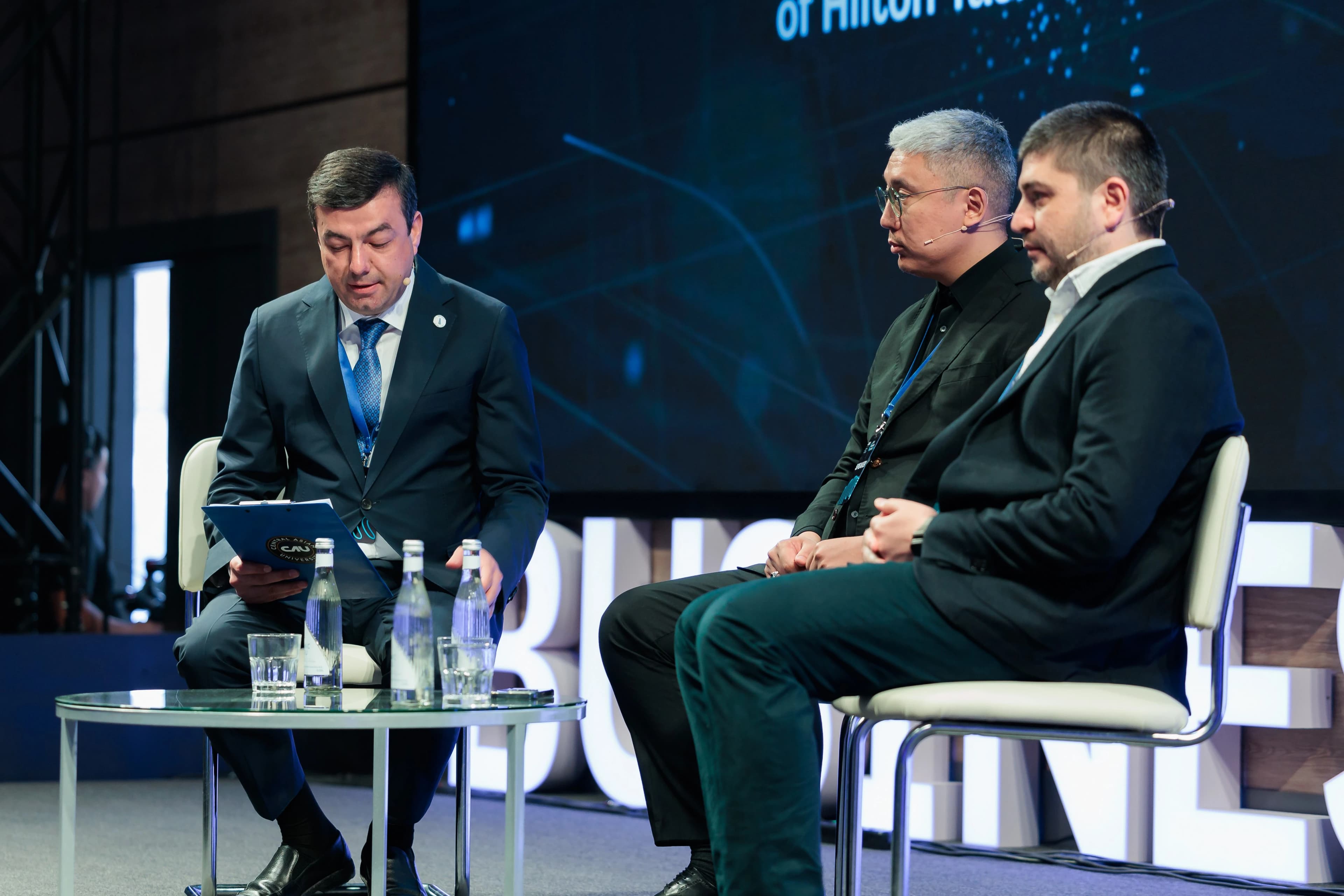
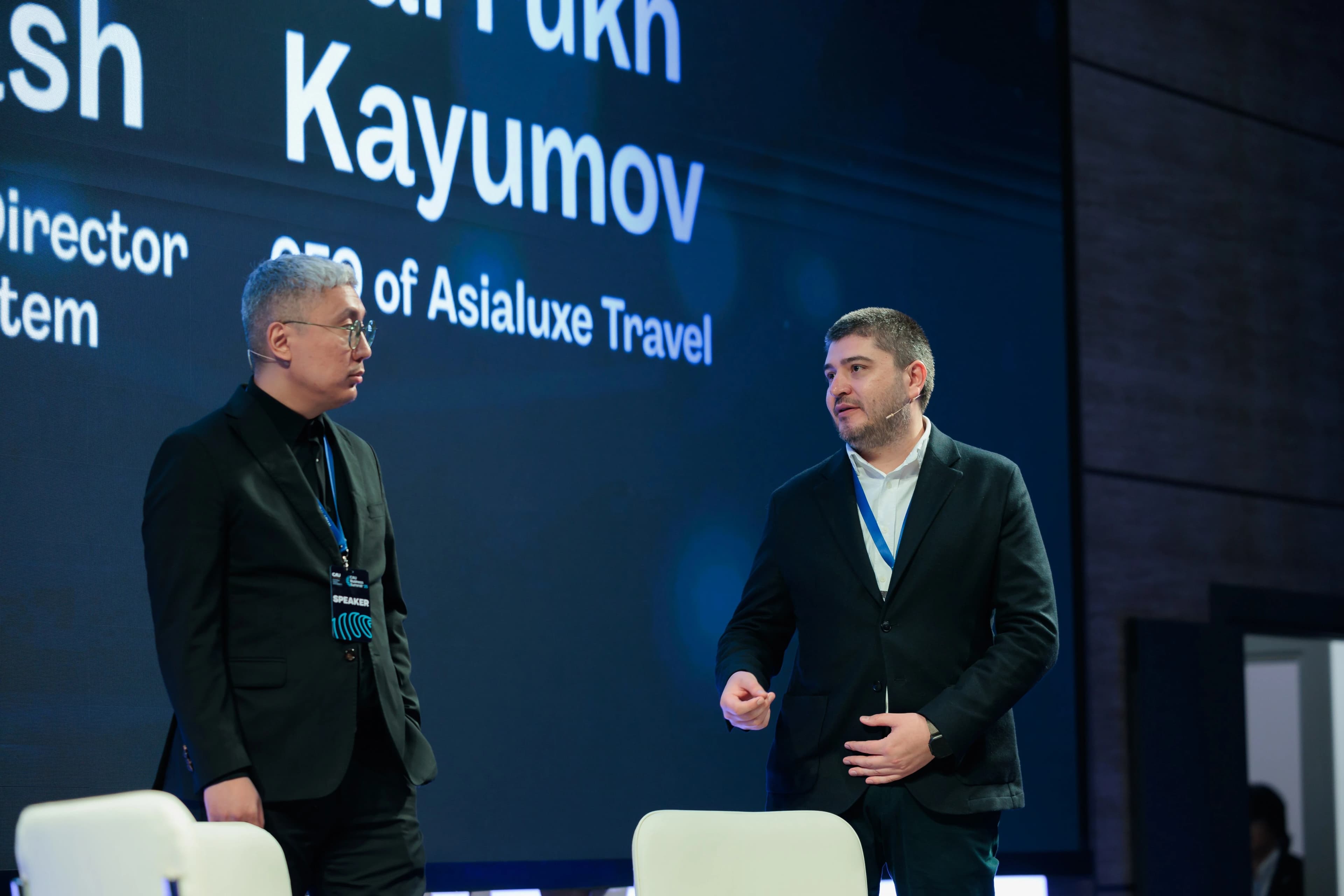
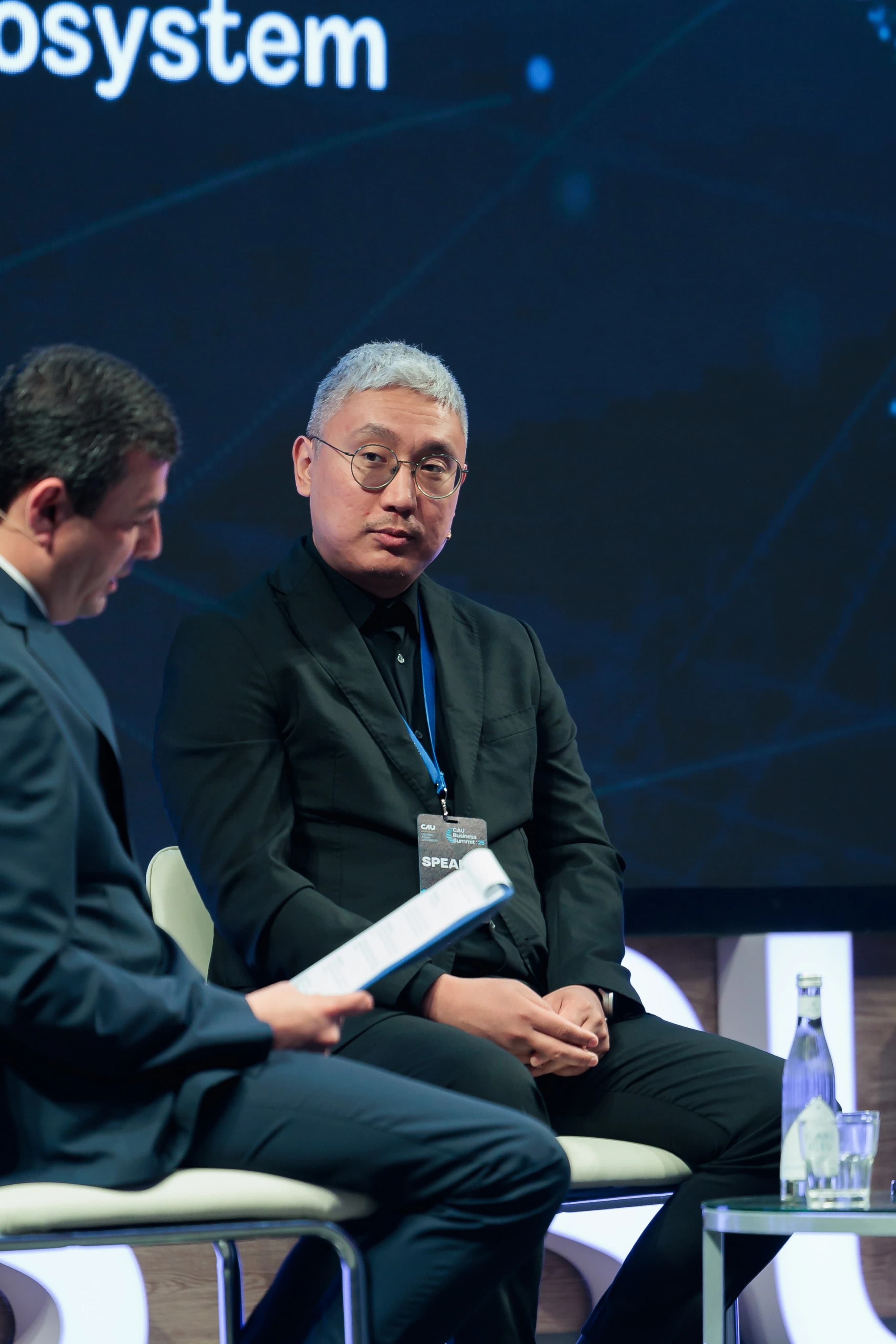
One of the business program’s highlights was Session 3: “Business, Economy, and Investment,” which included a panel discussion titled “From Location to Investment: Unlocking the Tourism Potential of the Regions.” Participants explored what factors could increase Central Asia’s appeal to both tourists and investors from infrastructure initiatives to digital services that improve accessibility and traveler convenience. Speakers shared their experiences in the industry, approaches to transforming tourism products, and strategies for engaging with the market. Magzhan Zhumash, Co-founder and Director of the Online Services Ecosystem ioka group, presented the company’s work in Uzbekistan and discussed the role of technology in advancing the sector. Below are key excerpts from his remarks.
— Magzhan, ioka originally launched as a fintech company in Kazakhstan. Why did you decide to invest in travel-tech in Uzbekistan?
— In 2023, we began seriously considering expansion. Our fintech business in Kazakhstan was already stable, and we started looking at new markets. Uzbekistan was an obvious choice – a neighboring country with a large population, a rapidly developing economy, and a similar digital agenda.
At first, we considered entering the market with a payment solution. But we quickly realized the fintech space was already home to strong players like Uzcard, Humo, Click, Payme, Uzum, and others. Rather than compete within an established ecosystem, we looked for a segment where our experience and approach could deliver real value.
That’s when we saw potential in travel tech. We were inspired by how quickly Uzbekistan’s tourism sector bounced back after the pandemic. In 2020, the number of foreign tourists dropped nearly fivefold, but within two years the market had almost fully recovered, making Uzbekistan one of the region’s leaders in post-COVID tourism growth. That signaled both flexibility and maturity in the country’s infrastructure on both the government and business sides.
Another surprise was Tashkent’s aviation connectivity. Direct flights to New York, Seoul, Frankfurt, Kuala Lumpur, and dozens of other cities position it as a true Central Asian hub. This isn’t just great for tourists – it’s great for business too. The infrastructure is in place; what’s needed now is to fill it with high-quality digital solutions. This is how ioka travel was born – a service that makes booking tickets, planning trips, and organizing tours genuinely convenient. We launched a website, Telegram bot and channel, accounts on Instagram and LinkedIn. The product is being developed in partnership with IT Park Uzbekistan, Uzcard Ventures, and seasoned entrepreneurs from Kazakhstan and Uzbekistan. To us, this isn’t just a new market, it’s a chance to apply our fintech expertise in a space where technology genuinely accelerates a country’s growth and connects it to the world.
— In your view, what role does staff play in creating a unique customer experience in your field?
To us, technology means speed, convenience, and reliability. But people bring empathy, responsibility, and foresight – the ability to anticipate what isn’t always visible in an interface.
At ioka, we automate everything we can: search, booking, and payment for air and railway tickets. Users can already buy tickets online, pay in convenient ways, even in installments. It’s simple and transparent. Yet even in the most digital model, people remain essential.
We understood this especially clearly during a family trip to Thailand. We booked a tour through a well-known digital platform: it all seemed convenient, well-structured, and reliable. But once we arrived, we got caught in a reverse current while swimming – strong and fast, with the shore far away. It was a real threat. Thankfully, we got out safely.
The next day, the guide gave us a safety briefing and mentioned that reverse currents are common in that area during this season. But the warning came too late. That moment reminded us: tourism isn’t just about experiences and service. It directly affects health and safety. Which means that what can’t be automated – human presence, care, foresight – becomes critically important. Not all risks can be captured in algorithms, but they can be spotted and voiced in time if there's a culture of responsibility.
That’s why at ioka, we develop not only tech but a culture of service. We train our team to listen to users, notice subtle signals, and act proactively. This goes beyond customer support, it's about the product team too: everyone who designs and delivers the interface, routes, and scenarios. We believe that only a combination of reliable tech and human involvement can ensure a truly safe and high-quality customer experience – especially in a sensitive sector like tourism. Algorithms can be refined, but attentiveness is what builds lasting trust.
— In your opinion, how are global tourism trends influencing regional development, and what do you see as the most promising directions?
— One of the major global trends shaping tourism is sustainable development. Today, travel isn’t just about exploring the world, it’s a tool that can support nature, empower local communities, and create new economies.
It’s not just about ecology, it’s about balance: convenience for tourists, benefits for locals, and preservation of unique landscapes. In the U.S., visitor centers at national parks are a well-established model. Tourists receive a map, choose safe routes, and learn the rules for outdoor behavior. People don’t wander aimlessly – they follow designated paths, and the money stays local: in cafés, guides, artisan shops. It fosters conscious tourism, where everyone understands their role.
Europe has followed suit – from Plitvice Lakes in Croatia to Gran Paradiso in Italy. In recent years, Kazakhstan has adopted this model too: visitor centers in Charyn Canyon, Altyn-Emel, Aksu-Zhabagly, and Turgen are now attractions in their own right, offering context and encouraging a respectful attitude toward nature.

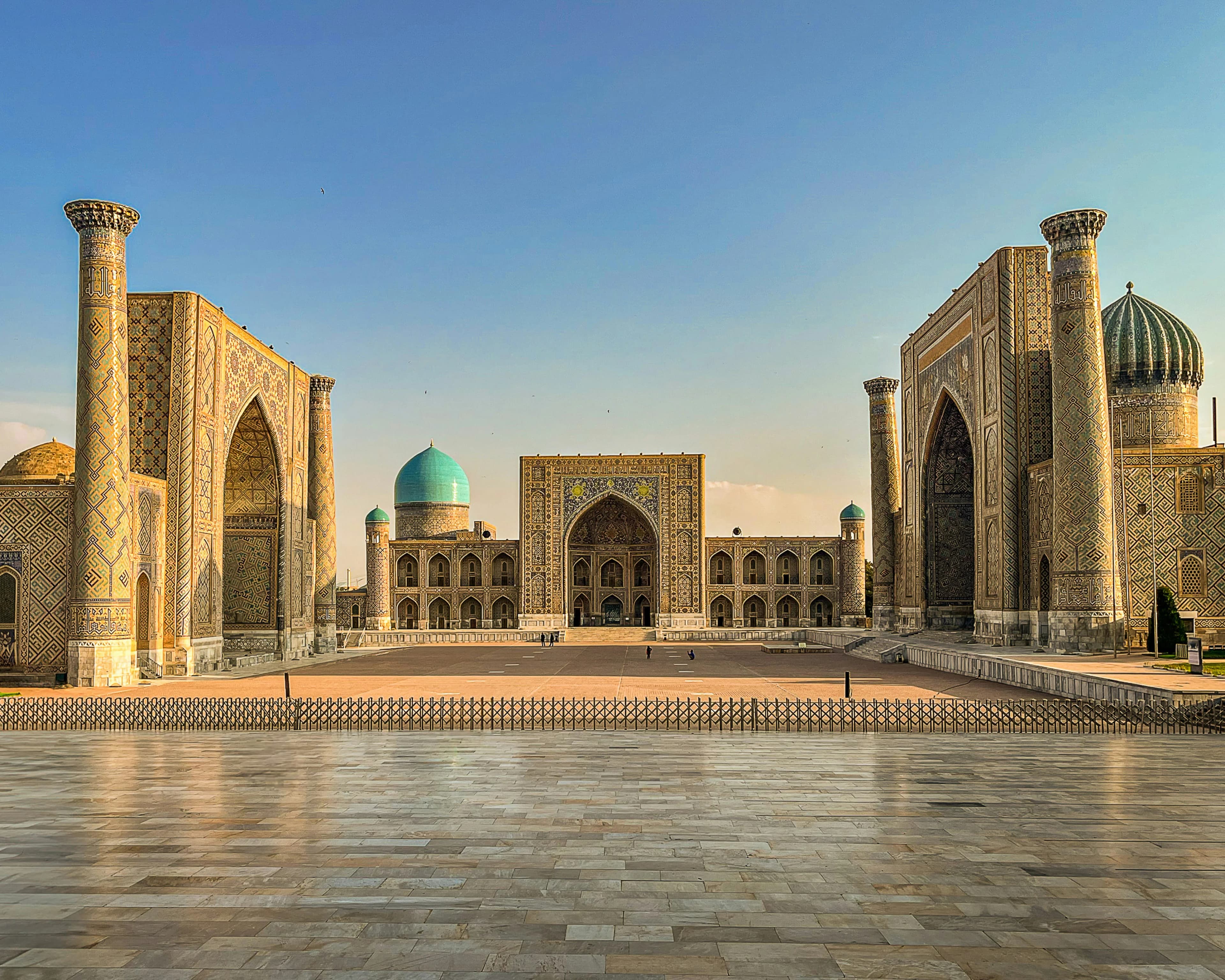
We believe Uzbekistan is a perfect fit for this model. Right now, the main focus is on its historic gems – Samarkand, Bukhara, Khiva. But the country has enormous natural potential, and developing thoughtful visitor centers could showcase these areas while raising the bar for quality: for tourists, for local communities, and for a sustainable future.
We’re seeing growing interest in domestic travel. Over the long term, digital tools – from online tickets to trail navigation – can align well with these initiatives. The key is to stay focused on the core: making tourism inspiring, economically valuable for regions, and respectful of what makes Uzbekistan truly unique.
Conclusion:
Our experience with ioka in Uzbekistan shows that technology isn’t a layer on top of tourism, it’s an organic part of it. Through digital solutions, we can not only simplify travel but rethink how we travel, making it more accessible, safer, and more meaningful. By unlocking Uzbekistan’s tourism potential, ioka demonstrates how local initiatives, rooted in a deep understanding of the region and powered by modern tools, can set new standards for the entire industry, both within the country and across the region.
This article continues the conversation begun in Anara Zhumash’s piece on ioka.kz, which explored scaling fintech philosophy and partnership-based solutions across Central Asia. Read the article on ioka.kz →